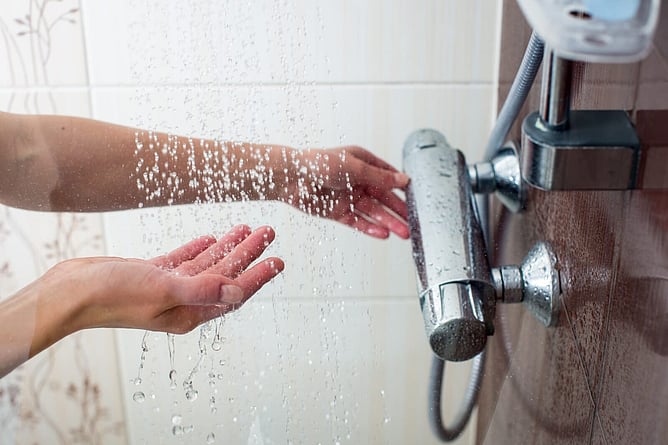
Low water pressure can turn a quick shower into a frustrating experience and make everyday jobs such as filling the sink or running more than one tap painfully slow.
But before you assume you need a new hot water cylinder or expensive plumbing work, it helps to identify where the pressure problem is occurring.
If only one tap or shower is weak, the problem may be local to that fixture. If the whole house has suddenly lost pressure, you could be dealing with a valve, leak, restricted pipework or an issue with the incoming water supply. If your cold water is strong but the hot water is weak, the problem is more likely to be within your hot water system.
For Wellington homeowners, there is another factor to consider: our hills. Elevation can influence the pressure available at a property, particularly in higher parts of the city.
TL;DR
Low water pressure can be caused by:
a blockage
a hidden water leak
old or internally corroded pipework
faulty pressure-control valves
several taps or appliances competing for the available flow
the property's elevation or incoming water supply
Start by working out whether the problem affects one fixture, only the hot water, or the entire house. That distinction can quickly narrow down the likely cause.
If your problem is specifically weak hot water, see our guide to the best hot water pressure solutions for Wellington homes.
First, Is It Low Pressure or Low Flow?
Water pressure and water flow are related, but they are not the same thing.
Water pressure is the force pushing water through the plumbing.
Water flow is the amount of water coming through your tap or shower over a period of time.
A restriction in a showerhead, tap or pipe can reduce the flow even if the underlying water pressure is reasonable. That is why the first step is to compare different outlets around your home.
Low Pressure at Just One Tap or Shower
If every other fixture works normally, the problem is unlikely to be your entire plumbing system.
Common causes include:
a blocked tap aerator
mineral or debris buildup in a showerhead
a worn mixer cartridge
a partially closed local valve
a restriction in the pipe supplying that fixture
Check whether both the hot and cold water are affected.
If only one side is weak, that gives the plumber another clue about where the restriction may be.
A sudden problem at one fixture is usually worth investigating locally before considering a whole-house pressure upgrade.
Weak Hot Water but Strong Cold Water
This is particularly common in older Wellington homes.
Many older New Zealand properties still have low-pressure hot water cylinders. These operate at much lower pressure than the incoming cold-water supply.
The result can be:
weak showers
slow-filling baths
poor performance from modern mixers
a noticeable difference between hot and cold tap pressure
pressure dropping further when several hot taps are used
A low-pressure cylinder may still be working exactly as designed. It simply may not deliver the performance you now want from the house.
Other possible causes of poor hot-water flow include restricted pipework, blocked strainers, faulty valves or mixer problems.
Your Shower Loses Pressure When Another Tap Is Turned On
If your shower feels fine until somebody opens another tap, your plumbing system may be struggling to supply both outlets at the same time.
This is particularly noticeable when the home has a low-pressure hot water system, but the shower has a high flow rate.
Also when several fixtures are drawing water simultaneously so the available flow is being divided between the outlets.
An occasional small change can be normal. A dramatic pressure drop every time another tap is opened suggests the system may need assessment.
A Hidden Leak Is Reducing Pressure
Water escaping from a damaged pipe means less water reaches your fixtures.
A substantial leak can therefore cause a sudden or unexplained pressure drop.
Other warning signs may include:
damp patches on walls or ceilings
moisture beneath floors or cabinetry
sounds of running water when everything is turned off
musty smells
unexplained water around plumbing fixtures
a pressure change that appeared suddenly
Not every hidden leak creates an obvious puddle.
If water is escaping rapidly, turn off the property's main water supply if it is safe to do so and arrange a plumber promptly.
Old Pipework Is Restricting the Flow
Older Wellington houses can contain plumbing installed many decades ago.
Some older metal pipes can corrode internally. As deposits and corrosion accumulate, the usable opening inside the pipe becomes narrower and water flow gradually reduces.
Unlike a blocked showerhead, this problem may affect several fixtures.
Possible signs include:
pressure gradually becoming worse over time
several taps being affected
rusty or discoloured water
visible corrosion on exposed pipework
repeated leaks from older pipes
Replacing one fixture will not solve a restriction deeper within the home's pipework.
A plumber can assess whether the problem is isolated or whether sections of ageing plumbing should be replaced.
A Valve May Be Partially Closed or Faulty
Your plumbing system contains valves that control and isolate the water supply.
If a main isolation valve or another important valve is not fully open, the result may feel like low pressure throughout the house.
Pressure-control valves can also wear or develop faults.
If the pressure problem started after recent plumbing work, maintenance or somebody shutting off the water supply, checking the relevant valves is a sensible first step.
Avoid adjusting unfamiliar pressure-control components yourself. Incorrect settings can create problems elsewhere in the system.
Wellington's Hills Can Affect Water Pressure
Wellington's terrain makes water pressure more complicated than it is in many flatter cities.
Water has to reach homes at very different elevations. Properties higher above the local supply can experience different pressure conditions from homes lower down.
This does not mean every weak shower in Karori, Khandallah, Brooklyn or another hilly suburb is caused by elevation. Your own pipework, hot water system and fixtures still need to be considered.
But if your home sits high on a steep section and the problem affects both hot and cold water throughout the property, incoming supply pressure may be part of the picture.
The Problem Appears Only When Demand Is High
Sometimes water pressure seems acceptable until several things happen at once.
If pressure collapses during simultaneous use but recovers afterwards, your plumbing may simply not be delivering enough flow to meet peak household demand.
The cause could be pipe sizing, restrictions, the hot water system or the incoming supply.
This is particularly relevant when household needs have changed. A plumbing system that worked adequately for two people may feel very different when four or five people are using it.
When Is a Mains-Pressure Upgrade Worth Considering?
If the real problem is an older low-pressure hot water system, replacing individual showerheads and taps may never produce the improvement you want.
A mains-pressure hot water system can provide stronger flow and better compatibility with modern tapware.
However, the existing plumbing should be assessed before making the change.
Older pipework, valves and fittings may also need attention before they are exposed to higher operating pressures.
Maxey Plumbing & Gas provides hot water pressure assessments and mains-pressure upgrades across Wellington.
Get the Cause Right Before Choosing the Fix
Replacing a hot water cylinder will not fix a blocked showerhead. Changing a mixer will not solve corroded pipes. And installing new fixtures will not overcome a hidden leak or restricted main supply.
The most useful first step is working out where the pressure drops and whether the problem affects hot water, cold water or both.
Maxey Plumbing & Gas diagnoses low water pressure across Wellington City, Lower Hutt, Upper Hutt and Porirua.
If your showers and taps are not delivering the flow they should, call 04 390 0135 to arrange an assessment.
Frequently Asked Questions About Low Water Pressure
Why does my shower lose pressure when another tap is turned on?
Your shower and the second tap are competing for the available water flow. A noticeable drop can be caused by a low-pressure hot water system, restricted or undersized pipework, a valve problem or limited incoming supply.
If the pressure drop is dramatic every time another fixture is used, a plumber can assess where the restriction is occurring.
Why does my shower suddenly go cold when someone uses another tap?
This usually happens because the balance between hot and cold water reaching the shower changes when another fixture starts using water.
It can be particularly noticeable with older low-pressure or unequal-pressure systems. If another outlet reduces the available hot-water flow, the shower mixture may suddenly become colder.
Mixer condition, valves and the capacity of the hot water system can also contribute.
What plumbing problems are common in older Wellington houses?
Common issues can include low-pressure hot water cylinders, ageing or corroded pipework, restricted water flow, worn valves and fittings, hidden leaks and older drainage systems.
Older homes may also have plumbing that has been altered or extended several times over the years, so different generations of pipes and fittings can exist within the same property.
If you have recently bought an older home, see our guide to signs your Wellington home may need a plumbing upgrade.
Can a hidden water leak cause low water pressure?
Yes. If enough water is escaping before it reaches your fixtures, you may notice reduced pressure or flow.
A sudden pressure change combined with dampness, running-water sounds or visible moisture is worth investigating.
Why is my hot water pressure low but my cold water pressure is fine?
This often points to the hot water side of the system.
An older low-pressure cylinder, restrictive pipework, a faulty valve, blocked strainer or mixer problem could all be responsible.
It does not necessarily mean the cylinder itself needs replacing.