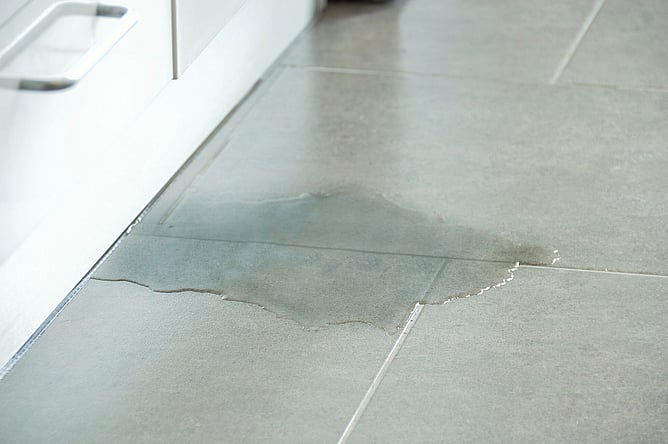
A hidden water leak can be easy to miss. Unlike a burst pipe that immediately sends water across the floor, a smaller leak may continue behind a wall, beneath a floor, around a toilet or near your hot water cylinder without drawing much attention.
The earlier you find it, the better. Persistent leaks can damage walls, flooring and timber, create damp conditions and waste a significant amount of water.
So, how do you know if you have a hidden water leak?
Some of the most common warning signs include unexplained damp patches, staining on walls or ceilings, musty smells, sounds of running water when no taps are on, lower water pressure and water appearing around plumbing fixtures or your hot water cylinder.
Here is what to look for and what each warning sign could mean.
Key Takeaways
Damp patches, staining, peeling paint and musty smells can all indicate water escaping somewhere out of sight.
Hearing water running when every tap and appliance is off is worth investigating.
Low water pressure can sometimes be associated with a leak, although there are several other possible causes.
A continuously running toilet can quietly waste water without creating an obvious puddle.
A small amount of discharge from a hot water cylinder relief system can occur during heating, but continuous dripping or running water should be checked.
If water is spreading rapidly, turn off your main water supply and arrange a plumber as soon as possible.
Look for Damp Patches That Do Not Have an Obvious Cause
One of the clearest signs of a concealed leak is moisture where it should not be.
You may notice:
a damp patch appearing on a wall
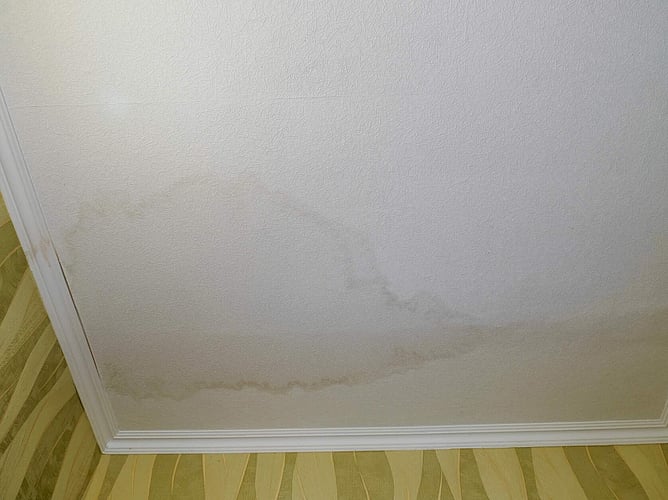
water staining on a ceiling
bubbling or peeling paint
swollen skirting boards
warped flooring
damp carpet near a wall
moisture inside a cupboard
recurring mould or a musty smell
The visible damp patch is not necessarily directly beside the leaking pipe. Water can travel along framing, pipes and building materials before it becomes visible.
That is why simply painting over a stain or drying the surface will not solve the problem if water is still escaping somewhere behind it.
If a patch continues returning, becomes larger or feels damp even during dry weather, it is worth having the plumbing checked.
Listen for Water When Everything Is Turned Off
Your ears can sometimes find a leak before your eyes do.
Turn off the taps, shower, dishwasher, washing machine and anything else that normally uses water. Then listen carefully in quiet areas of the house.
A persistent trickling sound, dripping noise, hissing, or faint sound of flowing water may point to water moving somewhere in the plumbing system.
Pay particular attention around bathrooms, kitchens, hot water cupboards, laundries and walls containing plumbing.
Not every noise means you have a leak, but water that appears to be running when nothing should be using it deserves further investigation.
Check Around Your Hot Water Cylinder
The hot water cupboard is an important place to inspect because several pipes, valves and fittings are concentrated around the cylinder.
Look for:
water underneath or around the cylinder
damp flooring
corrosion or staining
dripping around pipe connections
water coming from a valve or discharge pipe
persistent hissing
an overflow or relief pipe that seems to run continuously
Do not assume that every drip means the cylinder itself has failed. The problem may be a valve, fitting or associated pipework rather than the tank.
However, water leaking directly from the cylinder body or collecting around its base needs prompt attention.
If you are unsure whether the cylinder can be repaired or needs replacing, Maxey Plumbing can inspect the system and advise on the appropriate hot water cylinder repair or replacement.
Check Whether Your Toilet Is Quietly Leaking
Not every hidden leak is inside a wall. Toilets are a common place for water to escape without producing a puddle on the floor.
A fault inside the cistern can allow water to keep flowing into the toilet bowl long after you have flushed. Signs include a toilet that continues making noise or a faint hissing from the cistern.
Remove the cistern lid only if it can be done safely and look and listen for water continuing to flow after the toilet has finished refilling. You should also check around the base of the toilet and the water connection for visible moisture.
If your toilet keeps running or leaking, the fault may be within the inlet valve, flush mechanism, connection or another component. Maxey also provides toilet repair and replacement services throughout Wellington.
Pay Attention to Changes in Water Pressure
A sudden reduction in water pressure can sometimes be associated with a leaking pipe, particularly if the change affects several outlets around the house.
For example, you may notice the shower has suddenly become weaker. However, low water pressure does not automatically mean you have a leak.
Restricted or ageing pipework, faulty valves, the hot water system and changes to the water supply can also affect pressure.
If only the hot water is weak while your cold water pressure remains strong, the issue may be related to your hot water system rather than a concealed leak.
The important clue is change. If your water pressure has suddenly become noticeably worse, particularly alongside other signs of leaking, it is worth investigating.
Watch for Changes Around Walls, Floors and Ceilings
Slow leaks can gradually affect nearby building materials.
Warning signs may include:
Stains on ceilings: A brown or yellowish mark on a ceiling can indicate moisture from plumbing above, although roof and weather-related leaks are another possibility.
Bubbling paint: Paint or wallpaper that suddenly bubbles, flakes or separates from the wall may indicate moisture underneath the surface.
Swollen timber: Skirting boards, cabinetry or timber flooring can change shape after prolonged exposure to moisture.
Musty smells: A persistent damp smell in a cupboard, bathroom or room with no obvious source can indicate moisture that is not drying properly.
Flooring changes: Lifting, warping or unexplained damp patches may indicate water entering from underneath or nearby.
None of these signs identifies the source by itself. They are clues that can help narrow down where further investigation is needed.
Check Beneath Sinks and Around Appliances
Some leaks remain hidden simply because we rarely look where they occur.
Every so often, inspect beneath:
kitchen sinks
bathroom vanities
laundry tubs
dishwashers
washing machines
Look for moisture around hoses, traps, valves, joints and pipe connections.
Even a slow drip can eventually damage cabinetry and flooring if it continues unnoticed.
If you keep cleaning up moisture but it returns, find the source rather than relying on towels or containers to manage the symptom.
How Do I Know If I Have a Hidden Water Leak?
No single symptom proves there is a hidden leak, but several signs together make one much more likely.
You should consider arranging an inspection if you notice unexplained damp patches, persistent musty smells, or unexpectedly low water pressure.
A plumber can work through the likely sources and determine whether the issue is a fixture, valve, appliance connection, hot water system or concealed pipe.
What Should You Do If You Find a Leak?
What you should do next depends on how much water is escaping.
For a small, contained leak: Move belongings away from the wet area, use a container or towels to limit further damage where practical, and arrange a repair.
For water spreading rapidly: Turn off your property's main water supply if you can safely access it. In many Wellington homes, the shut-off point or toby is located near the property boundary. Once the water is off, open a cold tap to help relieve pressure remaining in the household pipework.
If a burst pipe or water leak is near electrical outlets, appliances or the switchboard, keep clear of the affected area and treat the situation as urgent.
How Do Plumbers Find Hidden Water Leaks?
Finding a leak is often a process of narrowing down the possibilities rather than immediately opening walls.
A plumber will usually start by looking at:
where moisture is appearing
which plumbing fixtures are nearby
whether the leak happens constantly or only when a fixture is used
changes in water pressure
the condition and age of the pipework
the hot water system
toilets, valves and appliance connections
The aim is to identify the likely source before unnecessary work is carried out.
This is particularly useful in older Wellington properties, where pipework may run through difficult-to-access parts of the house and several different plumbing issues can produce similar symptoms.
Don't Ignore a Leak Just Because It Looks Small
A small leak is usually easier to deal with than the damage that can develop if it continues unnoticed.
If something does not look, sound or smell right, investigate it early.
Check around toilets, sinks, appliances and your hot water cylinder. Pay attention to unexplained dampness, pressure changes and water sounds inside walls. And if you cannot find the source, get a plumber to investigate rather than waiting for the leak to become obvious.
Maxey Plumbing & Gas provides leak detection, pipe repairs and burst pipe repairs across Wellington City, Lower Hutt, Upper Hutt and Porirua.
If you suspect a hidden leak in your home, contact our team on 04 390 0135.
Frequently Asked Questions About Hidden Water Leaks
How do I know if I have a hidden water leak?
Common signs include unexplained damp patches, staining, musty smells, sounds of running water when no taps are being used, changes in water pressure, a constantly running toilet and moisture around your hot water cylinder or plumbing fixtures.
One sign on its own may have another explanation, but recurring or multiple symptoms should be investigated.
Why is my hot water cylinder overflow pipe dripping?
Some discharge can occur while a hot water cylinder is heating because water expands as it gets hotter. However, an overflow or relief pipe that drips continuously, runs steadily or suddenly releases more water than usual may indicate a valve, pressure or hot water system problem.
Never block the pipe to stop it dripping. Have persistent discharge inspected by a plumber.
Can a hidden water leak cause low water pressure?
It can. If enough water is escaping from the pipework, less flow may reach your taps or shower.
However, low water pressure can also be caused by restricted pipes, valves, the hot water system or the incoming water supply. A sudden change in pressure combined with other leak symptoms is more suspicious than low pressure on its own.
What are the signs of a water leak behind a wall?
Possible signs include damp or discoloured patches, peeling or bubbling paint, swollen skirting boards, musty smells and the sound of dripping or running water.
Because water can travel before becoming visible, the source of the leak may not be directly behind the damaged area.
Can I have a water leak without seeing any water?
Yes. Water can escape inside walls, beneath floors, in ceilings or underground without creating an obvious puddle.
Sometimes the first warning is a stain, smell, pressure change or sound rather than visible running water.
Why does my toilet keep running after I flush it?
Water continuing to run after the cistern should have refilled usually indicates a problem with one of the components inside the cistern. The inlet or flush mechanism may not be shutting off correctly.
A constantly running toilet can waste water even though there is no visible leak on the floor.
Should I turn the water off if I find a leak?
For a small drip that is safely contained, you may be able to leave the supply on until a plumber attends.
If water is flowing quickly, spreading through the property or coming from a burst pipe, turn off the main water supply if it is safe to do so and arrange an urgent repair.
If water has reached electrical equipment, outlets or the switchboard, stay clear of the affected area and treat the situation as an emergency.