As a homeowner in Wellington, you may be faced with the decision of choosing between a low-pressure and a mains pressure hot water system.
As a plumber in Wellington, we would like to share with you some helpful advice on hot water systems. Understanding the differences between these systems is crucial in order to make an informed decision that best suits your needs.
In this article, we will explore the key factors that differentiate low-pressure and mains-pressure hot water systems, the advantages and disadvantages of each, and how to determine which system you currently have in your home.
As a plumber in Wellington, we would like to share with you some helpful advice on hot water systems. Understanding the differences between these systems is crucial in order to make an informed decision that best suits your needs.
In this article, we will explore the key factors that differentiate low-pressure and mains-pressure hot water systems, the advantages and disadvantages of each, and how to determine which system you currently have in your home.
How Water Pressure Affects Your Hot Water System
Water Pressure plays a significant role in the performance and efficiency of your hot water system. It refers to the force that pushes water through the pipes, measured in kilopascals (kPa). In Wellington, mains pressure water typically delivers water to your house at up to 500 kPa, while a low-pressure hot water cylinder provides water pressure at around 75 kPa.
The difference in water pressure between these systems has several implications. Firstly, mains-pressure systems offer a better flow of hot water, faster water heating, and a more consistent flow when multiple showers or taps are in use.
On the other hand, low-pressure systems may need help to deliver hot water at a sufficient flow rate, particularly if multiple outlets are being used simultaneously.
The difference in water pressure between these systems has several implications. Firstly, mains-pressure systems offer a better flow of hot water, faster water heating, and a more consistent flow when multiple showers or taps are in use.
On the other hand, low-pressure systems may need help to deliver hot water at a sufficient flow rate, particularly if multiple outlets are being used simultaneously.
What is a Low-Pressure Hot Water System?
A low-pressure hot water system, also known as an equal-pressure system, delivers water at a lower pressure compared to the mains cold water supply. These systems were commonly installed in older New Zealand homes and are still found in some rural areas. Determining whether your property has a low-pressure system can be done through a few simple checks:
- Look for a sticker on your hot water cylinder indicating "low" or "high" pressure.
- Consider the age of your house; if it was built before the 1990s, it is likely on a low-pressure system.
- Check for a copper pipe sticking out of your roof above the cylinder, as this is characteristic of low-pressure systems.
- Test the water pressure by turning on the hot and cold water separately. If the cold water has more pressure than the hot water, you are likely on a low-pressure system.
What is a Mains-Pressure Hot Water System?
Most modern homes in Wellington, especially those built from the 1990s onward, have mains pressure hot water systems. These systems deliver water at a higher pressure, similar to the mains cold water supply, resulting in a more robust and consistent flow of hot water.
Mains pressure hot water cylinders can deliver water pressure of up to 500 kPa, significantly higher than the pressure provided by low-pressure systems. This increased pressure ensures that hot water is delivered to all outlets in the house at the same pressure, regardless of simultaneous usage.
The advantages of mains-pressure systems include better shower performance, faster hot water delivery, and compatibility with modern tapware and mixers. Additionally, modern mains-pressure cylinders are often made of stainless steel, allowing for outdoor installation and freeing up space inside the house.
Mains pressure hot water cylinders can deliver water pressure of up to 500 kPa, significantly higher than the pressure provided by low-pressure systems. This increased pressure ensures that hot water is delivered to all outlets in the house at the same pressure, regardless of simultaneous usage.
The advantages of mains-pressure systems include better shower performance, faster hot water delivery, and compatibility with modern tapware and mixers. Additionally, modern mains-pressure cylinders are often made of stainless steel, allowing for outdoor installation and freeing up space inside the house.
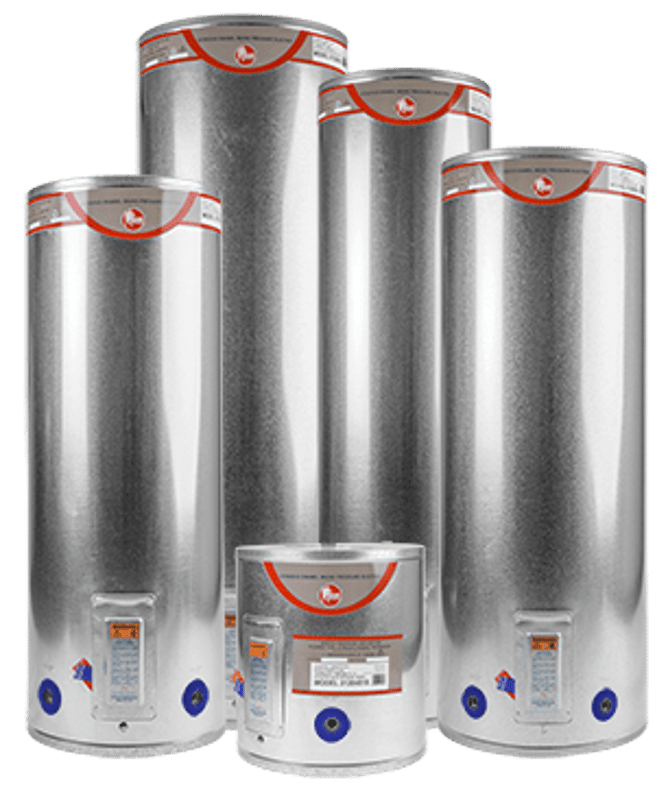
Pros and Cons of Low-Pressure and Mains-Pressure Systems
Both low-pressure and mains-pressure hot water systems have their own set of advantages and disadvantages. It is important to consider these factors when deciding which system is best for your home in Wellington.
Low-Pressure Hot Water Systems
Pros:
Pros:
Low-Pressure Hot Water Systems
Pros:
- Longevity: Low-pressure cylinders are known for their durability and longevity.
- Simple design: These systems have straightforward designs and are easy to maintain.
- Cost-effective: Low-pressure cylinders are often more affordable compared to mains pressure systems.
- Suitable for smaller households: If you live alone or have a small household, a low-pressure system may be sufficient for your needs.
- Slower water heating: Hot water may take longer to reach desired temperatures, especially in outlets further away from the cylinder.
- Limited flow rate: If multiple outlets are used simultaneously, the flow rate may be affected, resulting in reduced water pressure.
- Compatibility issues: Modern tapware and mixers may not work optimally with low-pressure systems, limiting your choices for fixtures.
Pros:
- Powerful showers and consistent flow: Mains-pressure systems provide a strong and consistent flow of hot water, even when multiple outlets are in use.
- Faster water heating: Hot water is delivered quickly, reducing waiting times and allowing for more efficient water use.
- Compatibility with modern fixtures: Mains pressure systems work seamlessly with modern tapware and mixers, offering a more comprehensive range of options for your bathroom or kitchen renovations.
- Suitable for larger households: If you have a large family or frequently have guests, a mains pressure system ensures an ample hot water supply for everyone's needs.
- Higher upfront cost: Mains-pressure hot water cylinders are generally more expensive to purchase and install compared to low-pressure cylinders.
- Space requirements: Mains pressure systems may require more space due to larger cylinder sizes and associated pipework.
- Limited outdoor installation: While modern mains-pressure cylinders can be installed outdoors, older models may not have this capability.
Should You Stay on Low Pressure or Switch to Mains Pressure?
Deciding whether to stick with a low-pressure system or upgrade to a mains-pressure system depends on various factors, including your household's needs and preferences.
Staying on Low Pressure
Staying on a low-pressure system may make sense in certain situations:
If you decide to stay on a low-pressure system, Maxey Plumbing & Gas Ltd, a trusted plumber in Wellington, can replace your older low-pressure cylinder with a new one from reputable brands such as Rinnai and Rheem.
Upgrading to Mains Pressure
There are several reasons why upgrading to a mains-pressure system may be beneficial:
Maxey Plumbing & Gas Ltd specialises in supplying, installing, and servicing Rinnai and Rheem hot water systems in Wellington. Their experienced team can help you choose the right hot water solution based on your specific requirements and budget.
Staying on Low Pressure
Staying on a low-pressure system may make sense in certain situations:
- Rental or holiday homes: If your property is a rental or a holiday home that is not frequently occupied, sticking with a low-pressure system may be sufficient.
- Cost-saving considerations: Low-pressure systems can potentially help save on water and power bills by encouraging water conservation.
If you decide to stay on a low-pressure system, Maxey Plumbing & Gas Ltd, a trusted plumber in Wellington, can replace your older low-pressure cylinder with a new one from reputable brands such as Rinnai and Rheem.
Upgrading to Mains Pressure
There are several reasons why upgrading to a mains-pressure system may be beneficial:
- Improved shower experience: Mains pressure systems provide a more powerful shower and a consistent flow of hot water, enhancing your overall bathing experience.
- Faster hot water delivery: If you find yourself waiting for hot water to reach your taps, upgrading to a mains pressure system can significantly reduce waiting times.
- Compatibility with modern fixtures: If you are renovating your bathroom or kitchen, mains pressure systems are essential for optimal performance of modern tapware and mixers.
- Increased property value: Upgrading to a mains pressure system can increase the value of your home and make it more appealing to potential buyers.
Maxey Plumbing & Gas Ltd specialises in supplying, installing, and servicing Rinnai and Rheem hot water systems in Wellington. Their experienced team can help you choose the right hot water solution based on your specific requirements and budget.
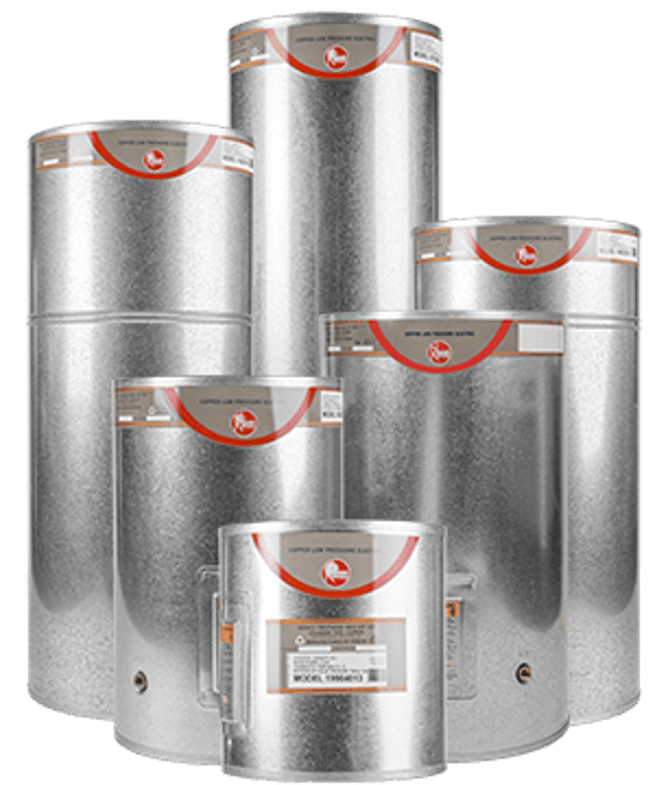
How to Identify Your Hot Water System
If you are unsure about the type of hot water system you have in your Wellington home, there are a few methods to determine whether it is a low-pressure or mains-pressure system:
If you are still unsure about your hot water system, it is best to consult a professional plumber in Wellington, such as Maxey Plumbing & Gas Ltd, who can accurately assess your system and provide expert advice.
- Check the hot water cylinder: Look for any markings on the cylinder itself indicating whether it is a low-pressure or mains-pressure system.
- Consider the age of your house: If your home was built before the 1990s, it is more likely to have a low-pressure system.
- Assess water pressure: If your showers feel weak or the hot water pressure is significantly lower than the cold water pressure, you may have a low-pressure system.
- Look for a vent or head tank: Low-pressure systems often have a vent pipe or a head tank located in the roof cavity.
If you are still unsure about your hot water system, it is best to consult a professional plumber in Wellington, such as Maxey Plumbing & Gas Ltd, who can accurately assess your system and provide expert advice.
Conclusion
Choosing between a low-pressure and a mains-pressure hot water system in your Wellington home is an important decision that can impact your daily comfort and utility bills. Consider factors such as household size, water usage patterns, and future renovations when deciding which system is best for your needs.
Maxey Plumbing & Gas Ltd, a reputable plumber in Wellington, can guide you through the selection process and provide expert installation and maintenance services for Rinnai and Rheem hot water systems. Upgrade your hot water system today and enjoy the benefits of a reliable and efficient hot water supply.
Contact Maxey Plumbing & Gas Ltd for a free assessment and personalised recommendations tailored to your home.
For a free quote or more information please see our contact information or submit your details below
Email - office@maxeyplumbing.co.nz
Phone - 04 390 0135
Maxey Plumbing & Gas Ltd, a reputable plumber in Wellington, can guide you through the selection process and provide expert installation and maintenance services for Rinnai and Rheem hot water systems. Upgrade your hot water system today and enjoy the benefits of a reliable and efficient hot water supply.
Contact Maxey Plumbing & Gas Ltd for a free assessment and personalised recommendations tailored to your home.
For a free quote or more information please see our contact information or submit your details below
Email - office@maxeyplumbing.co.nz
Phone - 04 390 0135