We have found at Maxey Plumbing that when it comes to hot water systems, the age-old debate continues to rage on.
"Which is better, a traditional storage tank or a tankless hot water heater?"
As an expert Wellington plumber, we've encountered this question countless times from homeowners looking to optimise their hot water systems for efficiency and cost-effectiveness. In this article, we'll provide insights into the pros and cons of both systems and help you make an informed decision.
Which Is Better: A Tank Or Tankless Hot Water Heater? Let's start by comparing the two contenders:
Storage Tank Water Heater:
- These heaters store a large volume of hot water in an insulated tank.
- Hot water is readily available whenever needed but may run out during high-demand periods.
- They are typically less expensive upfront compared to tankless units.
- Tankless systems heat water on demand, providing an endless hot water supply.
- They are more energy-efficient because they only heat water when you need it, reducing standby heat loss.
- Tankless units have a longer lifespan compared to storage tanks.
What Is More Cost-Effective: Tankless Or Tank Water Heater?
The cost-effectiveness of these systems depends on various factors:
Storage Tank Water Heater:
Storage Tank Water Heater:
- These units have a lower initial cost, making them a more budget-friendly option upfront.
- However, they may be less cost-effective in the long run due to higher energy bills resulting from standby heat loss.
- Tankless systems are more energy-efficient, leading to potential long-term savings on energy bills.
- While they have a higher upfront cost, their durability and efficiency often offset the initial investment over time.
What Are The Drawback To Storage Water Heaters?
Standby Heat Loss: The Achilles' Heel of Storage Tank Water Heaters
Imagine your storage-tank water heater as a large, insulated container filled with hot water. The water inside the tank is continually heated to a set temperature, typically around 120-140 degrees Fahrenheit (49-60 degrees Celsius). This process occurs 24/7, whether you're using hot water or not, and this is where the problem lies.
1. Energy Wastage:
The constant heating of the water inside the tank consumes energy, even when you're sleeping, at work, or on vacation. This energy expenditure is known as standby heat loss. Here's how it happens:
2. Environmental Impact:
In addition to the financial implications, the standby heat loss associated with storage tank water heaters has environmental consequences. The energy wasted in constantly maintaining hot water temperatures contributes to higher greenhouse gas emissions. In an era where sustainability is a priority, this inefficiency is a concern for environmentally conscious homeowners.
3. Limited Hot Water Supply:
Furthermore, the standby heat loss can also impact your hot water supply. If you have a high-demand period where multiple fixtures or appliances require hot water simultaneously. In that case, the tank may struggle to keep up. In such cases, you may run out of hot water, leading to discomfort and inconvenience.
Imagine your storage-tank water heater as a large, insulated container filled with hot water. The water inside the tank is continually heated to a set temperature, typically around 120-140 degrees Fahrenheit (49-60 degrees Celsius). This process occurs 24/7, whether you're using hot water or not, and this is where the problem lies.
1. Energy Wastage:
The constant heating of the water inside the tank consumes energy, even when you're sleeping, at work, or on vacation. This energy expenditure is known as standby heat loss. Here's how it happens:
- The tank's insulation helps slow heat loss but doesn't eliminate it entirely.
- Heat gradually escapes through the tank's walls and into the surrounding environment as the hot water sits inside the tank.
- The heater's thermostat monitors the water temperature. It activates the heating element when it falls below the set point, regardless of whether you're using hot water or not.
- The heater will repeatedly reheat the water to maintain the desired temperature, further adding to energy consumption.
2. Environmental Impact:
In addition to the financial implications, the standby heat loss associated with storage tank water heaters has environmental consequences. The energy wasted in constantly maintaining hot water temperatures contributes to higher greenhouse gas emissions. In an era where sustainability is a priority, this inefficiency is a concern for environmentally conscious homeowners.
3. Limited Hot Water Supply:
Furthermore, the standby heat loss can also impact your hot water supply. If you have a high-demand period where multiple fixtures or appliances require hot water simultaneously. In that case, the tank may struggle to keep up. In such cases, you may run out of hot water, leading to discomfort and inconvenience.
Mitigating Standby Heat Loss:
To mitigate the impact of standby heat loss, homeowners with storage tank water heaters can take a few steps:
- Lower the thermostat setting on your water heater slightly to reduce the temperature at which it maintains the water. Be cautious not to set it too low, which may compromise your hot water needs.
- Consider adding extra insulation to your storage tank or the surrounding area to reduce heat loss.
- Invest in a more energy-efficient water heater model, such as a tankless or hybrid heat pump water heater, significantly reducing standby heat loss.
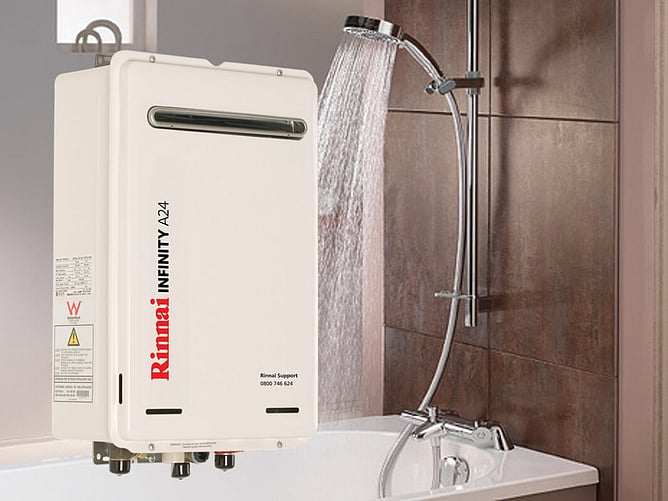
What Are The Disadvantages Of A Tankless Hot Water Heater?
While tankless water heaters offer numerous benefits, they are not without their drawbacks:
1. Higher Initial Cost:
Tankless water heaters are known for their energy efficiency and long-term cost savings. Still, they come with a significantly higher initial cost than traditional storage tank water heaters. This higher upfront cost includes the price of the unit itself as well as installation expenses.
For some homeowners, especially those on a tight budget, the initial investment can be a barrier to choosing a tankless system.
2. Limited Flow Rate:
Designed to heat water on demand, tankless water heaters provide hot water as you need it. While this is energy-efficient, it can lead to limitations in terms of flow rate, especially in larger households with simultaneous hot water demands.
Suppose multiple fixtures or appliances require hot water at the same time (e.g., someone is showering while another person is running the dishwasher). In that case, a single tankless unit may struggle to keep up.
To overcome this limitation, homeowners may need to install multiple tankless units throughout the house or invest in a larger, more expensive unit with a higher flow rate. This can add complexity and cost to the installation process.
3. Installation Complexity:
Installing a tankless water heater can be more complex than replacing a traditional storage tank unit. Tankless systems require specific venting configurations, gas line sizing adjustments, and electrical connections.
Depending on your existing plumbing and electrical setup, modifications may be necessary, adding to the overall installation cost.
It's essential to have a qualified and experienced plumber, like Maxey Plumbing in Wellington, handle the installation to ensure that it's done correctly and safely. The complexity of the installation process can also lead to longer installation times compared to swapping out a traditional water heater.
4. Cold Water Sandwich Effect:
The "cold water sandwich effect" is a phenomenon that some users experience with tankless water heaters. It occurs when there is a brief burst of cold water between periods of hot water flow.
This effect is particularly noticeable during short bursts of hot water use, such as repeatedly turning a faucet on and off.
The cold water sandwich effect can be inconvenient and uncomfortable for some users, as it interrupts the consistent flow of hot water. While not all tankless systems exhibit this issue, it's worth noting as a potential drawback.
While tankless water heaters offer significant advantages in terms of energy efficiency and endless hot water supply, they are not without their disadvantages. These include a higher initial cost, potential flow rate limitations, installation complexity, and the possibility of the cold water sandwich effect.
Homeowners should carefully consider their specific hot water needs and budget when deciding whether to invest in a tankless system. Consulting with a reputable plumber like Maxey Plumbing can help you make an informed decision based on your unique circumstances.
1. Higher Initial Cost:
Tankless water heaters are known for their energy efficiency and long-term cost savings. Still, they come with a significantly higher initial cost than traditional storage tank water heaters. This higher upfront cost includes the price of the unit itself as well as installation expenses.
For some homeowners, especially those on a tight budget, the initial investment can be a barrier to choosing a tankless system.
2. Limited Flow Rate:
Designed to heat water on demand, tankless water heaters provide hot water as you need it. While this is energy-efficient, it can lead to limitations in terms of flow rate, especially in larger households with simultaneous hot water demands.
Suppose multiple fixtures or appliances require hot water at the same time (e.g., someone is showering while another person is running the dishwasher). In that case, a single tankless unit may struggle to keep up.
To overcome this limitation, homeowners may need to install multiple tankless units throughout the house or invest in a larger, more expensive unit with a higher flow rate. This can add complexity and cost to the installation process.
3. Installation Complexity:
Installing a tankless water heater can be more complex than replacing a traditional storage tank unit. Tankless systems require specific venting configurations, gas line sizing adjustments, and electrical connections.
Depending on your existing plumbing and electrical setup, modifications may be necessary, adding to the overall installation cost.
It's essential to have a qualified and experienced plumber, like Maxey Plumbing in Wellington, handle the installation to ensure that it's done correctly and safely. The complexity of the installation process can also lead to longer installation times compared to swapping out a traditional water heater.
4. Cold Water Sandwich Effect:
The "cold water sandwich effect" is a phenomenon that some users experience with tankless water heaters. It occurs when there is a brief burst of cold water between periods of hot water flow.
This effect is particularly noticeable during short bursts of hot water use, such as repeatedly turning a faucet on and off.
The cold water sandwich effect can be inconvenient and uncomfortable for some users, as it interrupts the consistent flow of hot water. While not all tankless systems exhibit this issue, it's worth noting as a potential drawback.
While tankless water heaters offer significant advantages in terms of energy efficiency and endless hot water supply, they are not without their disadvantages. These include a higher initial cost, potential flow rate limitations, installation complexity, and the possibility of the cold water sandwich effect.
Homeowners should carefully consider their specific hot water needs and budget when deciding whether to invest in a tankless system. Consulting with a reputable plumber like Maxey Plumbing can help you make an informed decision based on your unique circumstances.
At The End of The Day
When selecting the right hot water system for your Wellington home, the decision between a storage tank and a tankless system hinges on various factors, including your specific requirements, budget constraints, and long-term objectives.
To make an informed choice, you must carefully consider each option's unique set of advantages and disadvantages. With their energy efficiency and the promise of an endless hot water supply, tankless water heaters are an appealing option for many homeowners.
However, it's crucial to bear in mind that they come with a substantially higher initial cost, encompassing the unit's price and installation expenses. This upfront investment can pose a financial challenge for some individuals or families.
On the other hand, traditional storage tank water heaters may present a more budget-friendly choice at the outset due to their lower initial cost. Nevertheless, they carry the burden of standby heat loss, which can lead to elevated energy bills over time.
This ongoing expense may counteract the initial savings and impact your long-term financial outlook.
Ultimately, the selection between these two systems is not one-size-fits-all. Your unique circumstances, hot water needs, and financial considerations are pivotal in determining which option aligns best with your goals.
To make a well-informed decision tailored to your situation, it is advisable to engage the expertise we can offer at Maxey Plumbing, your qualified Wellington plumber.
Our experience and insights will prove invaluable in evaluating your specific requirements and guiding you towards the most suitable hot water solution for your home. Collaborating with professionals like us at Maxey Plumbing ensures that your choice aligns seamlessly with your household's needs and aspirations for efficient, cost-effective, and sustainable hot water provision.
Talk to us now at Maxey Plumbing, about your hot water system needs.
To make an informed choice, you must carefully consider each option's unique set of advantages and disadvantages. With their energy efficiency and the promise of an endless hot water supply, tankless water heaters are an appealing option for many homeowners.
However, it's crucial to bear in mind that they come with a substantially higher initial cost, encompassing the unit's price and installation expenses. This upfront investment can pose a financial challenge for some individuals or families.
On the other hand, traditional storage tank water heaters may present a more budget-friendly choice at the outset due to their lower initial cost. Nevertheless, they carry the burden of standby heat loss, which can lead to elevated energy bills over time.
This ongoing expense may counteract the initial savings and impact your long-term financial outlook.
Ultimately, the selection between these two systems is not one-size-fits-all. Your unique circumstances, hot water needs, and financial considerations are pivotal in determining which option aligns best with your goals.
To make a well-informed decision tailored to your situation, it is advisable to engage the expertise we can offer at Maxey Plumbing, your qualified Wellington plumber.
Our experience and insights will prove invaluable in evaluating your specific requirements and guiding you towards the most suitable hot water solution for your home. Collaborating with professionals like us at Maxey Plumbing ensures that your choice aligns seamlessly with your household's needs and aspirations for efficient, cost-effective, and sustainable hot water provision.
Talk to us now at Maxey Plumbing, about your hot water system needs.