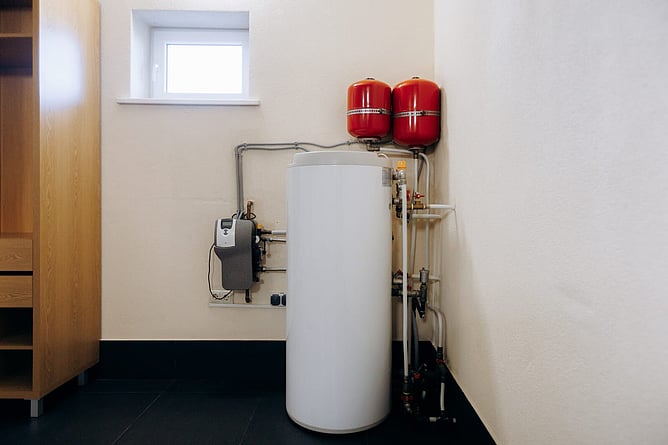
Finding water pouring from your hot water cylinder can be alarming, but acting quickly can limit the damage.
If your hot water cylinder is leaking heavily or has burst, your first priorities are to stop the water supply, avoid electrical hazards and call a plumber.
Do not wade through standing water to reach valves, switches or the cylinder. If water has reached electrical outlets, appliances or your switchboard, stay clear of the affected area.
A small drip does not always mean the cylinder itself has failed, but water flowing from the tank, pooling around its base or spreading rapidly through the house needs prompt attention.
2. Be Careful Around Electricity
Water and electricity are a dangerous combination.
If water from the cylinder has reached electrical sockets, appliances, wiring or other electrical equipment, do not enter the wet area to reach a switchboard or power point.
If the mains switch can be accessed safely from a dry location, turn the electricity off.
Do not switch the electricity back on after electrical equipment has been wet until it has been checked and is safe to use.
3. Do Not Try to Repair the Cylinder Yourself
Hot water cylinders contain heated water under pressure, so avoid removing valves, fittings or attempting to dismantle the system yourself.
Call Maxey Plumbing and explain:
where the water appears to be coming from
whether it is dripping or flowing rapidly
whether the water supply has been turned off
whether electrical equipment has become wet
approximately how old the cylinder is, if known
Maxey Plumbing & Gas provides hot water cylinder repairs and replacements throughout Wellington, Lower Hutt, Upper Hutt and Porirua.
4. Limit Water Damage if It Is Safe
Once the water supply and electrical risks are under control, you can start limiting damage.
Where safe, you may be able to:
move furniture and belongings away from the water
use towels to stop a small amount of water spreading
place containers beneath minor drips
lift rugs or removable flooring items
take photographs of the affected area
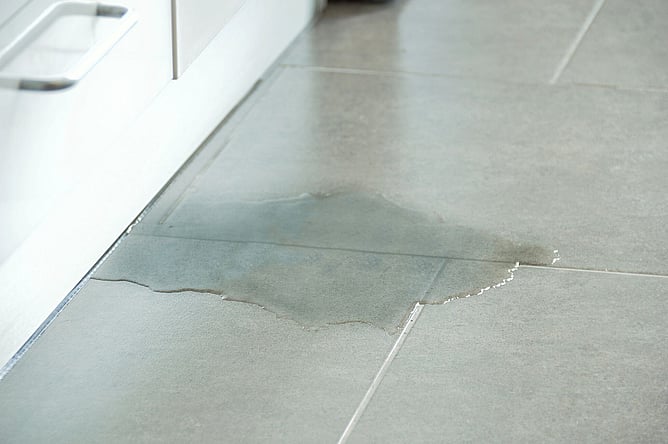
Is My Hot Water Cylinder Burst or Just Leaking?
Not every hot water leak means the cylinder tank itself has failed.
Water may instead be coming from a pipe connection, valve, fitting or relief system.
Water leaking from a pipe or fitting: A damaged or deteriorated connection may leak even when the cylinder itself is still sound. Depending on the fault, this may be repairable without replacing the cylinder.
Water coming from a valve: Hot water cylinders use valves to control pressure and safely manage expansion. A faulty valve can produce dripping or running water while the cylinder itself remains intact.
Water coming from the relief or overflow pipe: Some water can be released through the cylinder's relief system as heated water expands. However, a pipe that drips continuously, runs steadily or suddenly releases much more water than usual should be checked. Never block or cap a relief pipe to stop it discharging.
Water leaking from the cylinder body: If water is coming through the cylinder itself, especially from a corroded area or around the base, the tank may have failed. A leaking cylinder body will generally need replacing.
What Are the Warning Signs a Hot Water Cylinder May Be Failing?
A major failure can seem sudden, but there may be earlier warning signs.
Look out for:
unexplained water around the cylinder
corrosion or rust
recurring dripping
unusual noises
discoloured hot water
inconsistent water temperatures
repeated component faults
hot water running out more quickly than usual
None of these signs automatically means the cylinder is about to burst, but several occurring together are worth investigating.
Why Do Hot Water Cylinders Leak?
Common causes include:
Age and corrosion: Over time, corrosion can weaken the cylinder or surrounding fittings. If the cylinder body itself corrodes through, replacement is usually required.
Faulty valves or fittings: Pressure, expansion and relief valves can wear or fail. Pipe joints and fittings can also deteriorate. These faults may often be repaired without replacing the complete cylinder.
Pressure or system problems: Hot water cylinders rely on correctly functioning pressure controls. Persistent discharge, unusual pressure behaviour or repeated valve problems should be investigated rather than simply stopping the visible leak.
Nearby pipework: Sometimes water beside a cylinder is actually coming from a pipe above, behind or alongside it.
Can a Leaking Hot Water Cylinder Be Repaired?
It depends on the source of the leak.
A plumber may be able to repair the problem if it involves a valve, a pipe connection, a fitting, or another replaceable component.
If the cylinder itself has corroded or ruptured, replacement will usually be required.
Age and overall condition matter too. Repeated repairs may not make sense if an older cylinder is already showing several signs of deterioration.
When replacement is necessary, it is also a good opportunity to consider whether the same type of system still suits the household.
Options may include:
a modern electric hot water cylinder
upgrading from low pressure to mains pressure
a heat pump hot water system
gas continuous flow where appropriate
Should I Replace an Old Cylinder Before It Bursts?
You do not need to replace a working hot water cylinder simply because it has reached a certain age.
However, age becomes more important when combined with corrosion, repeated repairs, and reduced performance.
Around 15 years is a useful planning benchmark for a conventional cylinder, although actual service life varies.
If an older cylinder is showing several warning signs, having it inspected before it fails gives you more control over the timing and replacement choice.
Hot Water Cylinder Repairs in Wellington
A hot water cylinder does not need to be pouring water across the floor before it deserves attention.
If you notice recurring moisture, corrosion, persistent dripping or water collecting around the cylinder, arrange an inspection before the problem becomes more serious.
If the cylinder has already burst or water is escaping rapidly, turn off the water if you can do so safely, stay clear of electrical hazards and call Maxey Plumbing & Gas on 04 390 0135.
Frequently Asked Questions
Is a leaking hot water cylinder an emergency?
It depends on the severity.
A small drip from a fitting may not be as urgent as water pouring from the cylinder. However, water spreading rapidly, a failed cylinder tank or water reaching electrical equipment should be treated urgently.
If you are unsure, turn off the water where it is safe to do so and call a plumber.
What should I do first if my hot water cylinder bursts?
Turn off the water supply if you can do so safely.
Use the cylinder's cold-water isolation valve if you know where it is, or turn off the property's main water supply.
Keep away from standing water where electrical equipment may be affected and call a plumber.
Should I turn the power off if my hot water cylinder is leaking?
If water has reached electrical equipment, the electricity should be isolated only if the mains switch can be reached safely from a dry location.
Do not walk through water to reach the switchboard.
Why is my hot water cylinder overflow pipe dripping?
Some discharge can occur as water heats and expands.
However, persistent dripping, continuous running or a sudden increase in discharge may indicate a valve, pressure or system problem.
Never block or cap a relief pipe.
Does a leaking hot water cylinder always need replacing?
No. Leaks from valves, fittings or pipe connections may be repairable.
If the cylinder tank itself has corroded through or ruptured, replacement will usually be required.
How long does a hot water cylinder last?
Around 15 years is a useful planning benchmark for a conventional hot water cylinder, but some fail earlier while others remain serviceable for longer.
Condition matters more than age alone. Corrosion, repeated faults, leaks and declining performance are stronger signs that replacement may be approaching.
Can a hot water cylinder suddenly burst?
A major failure can appear sudden, particularly when corrosion or deterioration is hidden.
Sometimes there are earlier warning signs such as minor leaks, rust, moisture around the base or repeated faults.
Regularly checking the area around your cylinder can help identify problems earlier.